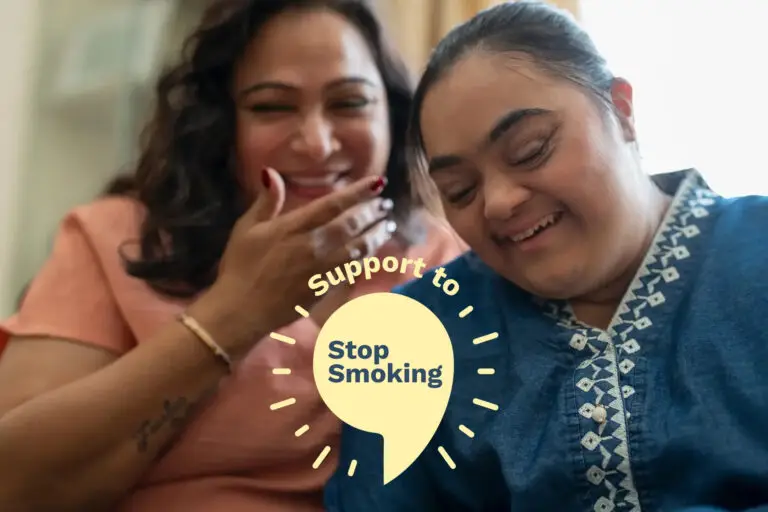
What to consider in smoking cessation marketing.

While a wealth of research has shed light on what can be effective in encouraging smokers to quit, the process is layered with complexity. Behaviour change campaigns are already challenging, and the addition of addiction introduces another layer. Addicts have often heard the message “smoking is bad” countless times over the years, so reiterating that same message again and again is ineffective. To stand out, and make a real difference, smoking cessation marketing needs a fresh approach – one that truly understands its audience.
The behaviour change process.
Creating an impactful smoking cessation campaign involves a well-structured behaviour change process. This framework ensures a strategic and systematic approach to tackling the challenge. Here are the key steps:
Diagnose
Begin by collecting data and using behavioural science principles to understand the problem. Assemble the best team for the job, clarify the desired behavioural outcomes, and establish a comprehensive project brief. This diagnostic phase lays the groundwork for a focused and effective campaign.
The diagnostic stage is often where the most valuable insights emerge. In our work with Slough Borough Council, behavioural research revealed that existing pathways into stop smoking services were often complex and difficult to navigate, particularly for people experiencing serious mental illness, learning disabilities, autism, or homelessness. Identifying these barriers early allowed the campaign strategy to focus on what was preventing action, rather than simply increasing awareness.
Empathise
To connect with the audience, you need to walk in their shoes to connect with the audience. Understand their behavioural goals, motivators, barriers, and triggers. Investigate how they consume media and where they’re most likely to engage with your message. Empathy is the bridge between your campaign and its intended audience.
Empathy becomes even more important when working with underserved or vulnerable audiences. Rather than assuming what people need, effective campaigns seek to understand the realities they face and design interventions that meet them where they are.
Design
This step is split into two phases: intervention design and concept design. Intervention design involves utilising the tools such as ‘The Behaviour Change Wheel’ to plan the marketing and communication strategies. Concept design utilises design psychology principles and ensures alignment with the insights gathered during the Diagnose and Empathise stages.
One of the biggest mistakes in smoking cessation marketing is jumping straight to creative execution without first designing the behavioural intervention. Creative ideas are important, but they should always be driven by behavioural insight. The strongest campaigns identify the specific action they want people to take and then design communications that make that action easier, more attractive, and more achievable.
Deliver
Execution is key. Implement the planned campaign across selected channels and mediums, ensuring consistency with the design phase.
Evaluate
Analyse the campaign’s impact. Did it achieve its objectives? What worked, and what didn’t? Use these findings to inform future campaigns.

Learning from successful campaigns.
Understanding what has worked, and what hasn’t, in past campaigns provides invaluable insights. Successful smoking cessation campaigns have shared common threads that we can learn from:
Avoid images of smoking
Images of people smoking can trigger the habit rather than deter it.
Steer clear of shame
Campaigns should avoid shaming smokers, as addiction is deeply intertwined with emotional and psychological factors.
Hard-hitting messages for entrenched smokers
While gentle encouragement works for some, hard-hitting campaigns have proven effective for entrenched smokers as well as tackling health inequalities.
Consistency and persistence
An “always-on” digital and PR strategy helps maintain momentum, encouraging repeated quitting attempts.
Authenticity and empathy
Use real, relatable imagery and personal, empathetic messaging to resonate with your audience.
Optimism and aspiration
Campaigns that inspire hope and focus on positive outcomes often perform better than fear-based messaging.
Another important lesson is recognising that not every campaign needs to target the smoker directly. In some cases, trusted intermediaries can be more influential than public messaging alone. Research consistently shows that trusted voices play a critical role in behaviour change, particularly among harder-to-reach groups.
Examples of noteworthy campaigns.
- Better Health
- Stoptober
- Smokefree
- Making Smoking History
- Never Quit Quitting
- Fresh
The intention-behaviour gap.
A critical challenge in smoking cessation is bridging the “intention-behaviour gap.” This phenomenon describes the disconnect between intending to quit smoking and actually taking action. Smokers may have every intention of quitting but often fail to follow through due to various barriers – whether those barriers are psychological, social or environmental.
Campaigns need to be exceptionally compelling to close this gap. A deeper understanding of the obstacles smokers face, combined with actionable solutions, can make all the difference.
Importantly, the intention-behaviour gap doesn’t only exist at the individual level. Sometimes people want to access support but encounter barriers within the system itself. Complex referral pathways, uncertainty about available services, or a lack of confidence in seeking help can all prevent action. Effective smoking cessation campaigns should therefore focus not only on motivation, but also on reducing friction and making the next step as easy as possible.
The importance of trusted conversations.
One of the strongest behavioural levers in smoking cessation is the power of trusted relationships. While mass media campaigns are effective at increasing awareness and motivation, personal conversations can often be the catalyst that turns intention into action.
People are more likely to engage with support when recommendations come from someone they know and trust. This could be a carer, support worker, healthcare professional, family member, or community advocate. For individuals facing additional barriers or vulnerabilities, these trusted relationships can be particularly important in helping them access services and navigate the quitting process.
When designing smoking cessation campaigns, consider not only what message is being delivered, but who is delivering it.
The power of WOOP.
An effective framework to address the intention-behaviour gap is the WOOP model (Wish, Outcome, Obstacle, Plan). By being aware of this, and integrating it into your campaign, you can increase the chances of intention becoming a new positive behaviour. Here’s how it works:
Wish
Encourage the target audience to define a clear and ambitious goal. The audience must feel that their goal is ambitious, but achievable.
Outcome
Envision the positive impact of achieving this goal. This step requires the audience to visualise the outcome. It could be the impact on your health or relationship for example.
Obstacle
Identify potential barriers. These might include societal stigma, nicotine cravings, or lack of access to help!
Plan
Develop strategic and actionable solutions to overcome these obstacles. Help the target audience to create an actionable plan. Encourage them to make and ‘if…then..’ plan to overcome obstacles.

Conclusion.
Smoking cessation campaigns are about more than just telling people to quit – it’s about understanding them, empathising with their barriers to quitting, and designing campaigns that incite real change. By following a structured behaviour change process, learning from past campaigns, addressing the intention-behaviour gap, and leveraging frameworks like WOOP, we can create impactful, meaningful campaigns that make a difference.
Our work with Slough Borough Council reinforced an important lesson: sometimes the key to behaviour change isn’t changing the individual, but changing the environment around them. By empowering carers and support workers to start meaningful conversations and making access to support easier, the campaign demonstrated how behavioural insight can uncover opportunities that traditional awareness campaigns might miss.
It’s not an easy task, but with the right approach, we really can help people to quit smoking.





Smoking cessation in practice.
Our work with Slough Borough Council.
Explore how we worked with Slough Borough Council to develop a smoking cessation campaign that addressed barriers to support and encouraged trusted conversations with people looking to quit.